
Anúncios
Debt rarely becomes overwhelming overnight. In many situations, it builds gradually through everyday decisions that seem reasonable at the time. A credit card helps cover an unexpected expense. A medical bill arrives without warning. A personal loan fills a temporary financial gap. Individually, these choices often feel manageable. Over time, however, as balances grow and obligations multiply, many people begin to consider debt consolidation loans in the U.S. as a way to reduce pressure and bring their finances back into focus.
What often makes debt especially stressful is not just the total amount owed, but the way it is structured. Multiple balances, varying interest rates, and scattered payment dates can turn even moderate debt into a constant source of anxiety. As organization declines, missed payments become more likely, and financial confidence begins to erode.
Anúncios
This is typically the point when people start looking for ways to regain control. Debt consolidation loans in the U.S. are frequently presented as a potential solution. While they can be helpful in certain situations, debt consolidation loans in the U.S. are not appropriate for everyone and must be clearly understood before being used.
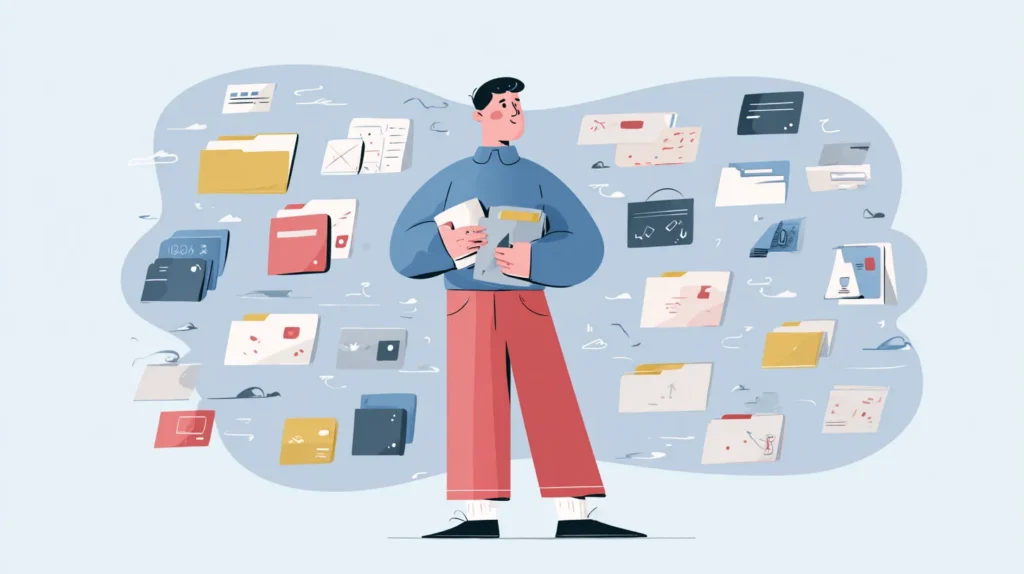
What a Debt Consolidation Loan Actually Does
A debt consolidation loan combines several existing debts into a single new loan. Instead of managing multiple payments each month, the borrower makes one payment to one lender. This change alone can significantly reduce mental and administrative strain.
Anúncios
Most debt consolidation loans are used to address high-interest credit card balances. Credit cards often carry variable interest rates that make balances grow quickly. By consolidating those balances into an installment loan, borrowers may gain a fixed repayment schedule and a clearer timeline for becoming debt-free.
However, consolidation does not reduce the original debt automatically. It simply reorganizes it. If the underlying spending behavior remains unchanged, new balances may accumulate while the consolidated loan is still being repaid.
How Debt Consolidation Works in Real Life
In practice, consolidation begins with taking out a new loan large enough to pay off existing debts. Once approved, those balances are cleared, and the borrower is left with one loan to repay.
This process can feel like a fresh start. Payments become predictable, and the constant juggling of due dates disappears. Still, consolidation introduces a new responsibility. The simplicity it creates can lead to a false sense of resolution.
Without deliberate changes in financial habits, consolidation may only delay deeper problems. Therefore, it works best when paired with budgeting discipline and spending awareness.
What Loan Refinancing Means and How It Differs
Loan refinancing involves replacing an existing loan with a new one that has different terms. Unlike consolidation, refinancing usually applies to a single loan rather than multiple debts.
People refinance loans for several reasons. Interest rates may have dropped since the original loan was issued. Credit scores may have improved, making better terms available. In other cases, financial circumstances change, and monthly payments need adjustment.
Refinancing does not remove debt. It restructures it based on current conditions. The success of refinancing depends on whether the new terms genuinely improve the borrower’s financial position.
Understanding the Key Differences Between Consolidation and Refinancing
Although consolidation and refinancing are often discussed together, they serve distinct purposes. Consolidation focuses on simplifying multiple debts into one payment. Refinancing focuses on improving the terms of an existing loan.
Both approaches can reduce financial stress, but only when the borrower understands their goals clearly. Choosing the wrong option may provide short-term relief while increasing long-term cost.
Monthly Payment Relief Versus Total Cost Over Time
One of the strongest appeals of consolidation and refinancing loans is the potential to lower monthly payments. This relief can free up cash flow and reduce immediate pressure on household budgets.
However, lower payments often result from longer repayment terms. While monthly obligations decrease, the total interest paid over the life of the loan may increase substantially.
Borrowers should always evaluate both perspectives. Monthly comfort is important, but long-term financial impact matters just as much.
Situations Where Debt Consolidation May Make Sense
Debt consolidation may be appropriate when high-interest debt has become difficult to manage. It is often most effective for borrowers who have stable income and a clear plan to avoid accumulating new debt.
When used responsibly, consolidation can provide structure and accountability. It can transform scattered obligations into a single, manageable commitment.
Still, consolidation should never be viewed as a reset button. Without behavior change, it risks becoming a temporary fix.
When Refinancing Is a More Practical Choice
Refinancing may be more suitable when the borrower’s financial profile has improved since the original loan was issued. A higher credit score or better income stability may unlock lower interest rates.
Refinancing can also help when monthly payments no longer align with current financial realities. Adjusting loan terms may provide breathing room during periods of transition.
However, refinancing only works when the new terms truly offer an advantage.
Common Risks and Mistakes Borrowers Should Avoid
One of the most common mistakes is treating consolidation or refinancing as a solution rather than a tool. These loans change structure, not behavior.
Another risk involves extending debt indefinitely. Longer loan terms may feel comfortable but can delay financial freedom significantly.
Fees and penalties also deserve attention. In some cases, the cost of restructuring debt offsets any potential savings.
The Psychological Impact of Simplifying Debt
Debt affects more than finances. It influences mental health, confidence, and decision-making. Simplifying payments can restore a sense of control and reduce daily stress.
However, psychological relief can be misleading. When debt feels “handled,” vigilance may decline. Long-term success depends on maintaining awareness even after simplification.
Alternatives Worth Considering Before Taking a New Loan
In some cases, loans are not the best solution. Budget restructuring, negotiating directly with creditors, or seeking financial counseling may be more appropriate.
Loans should support a strategy, not replace one.
How to Decide If These Options Fit Your Situation
Before choosing consolidation or refinancing, borrowers should reflect honestly. The key question is not whether the loan is available, but whether it improves the financial trajectory.
Asking whether the change reduces total cost, supports long-term goals, and encourages better habits can clarify the decision.
Final Thoughts
Debt consolidation and refinancing loans can be valuable tools when debt feels unmanageable. They offer structure, clarity, and sometimes cost savings. However, they are not shortcuts to financial stability.
When used thoughtfully, they support recovery. When used carelessly, they may extend financial strain. Understanding how these tools work allows borrowers to make informed, confident decisions that align with long-term stability.